How Soon Can You Drive After Cataract Surgery?
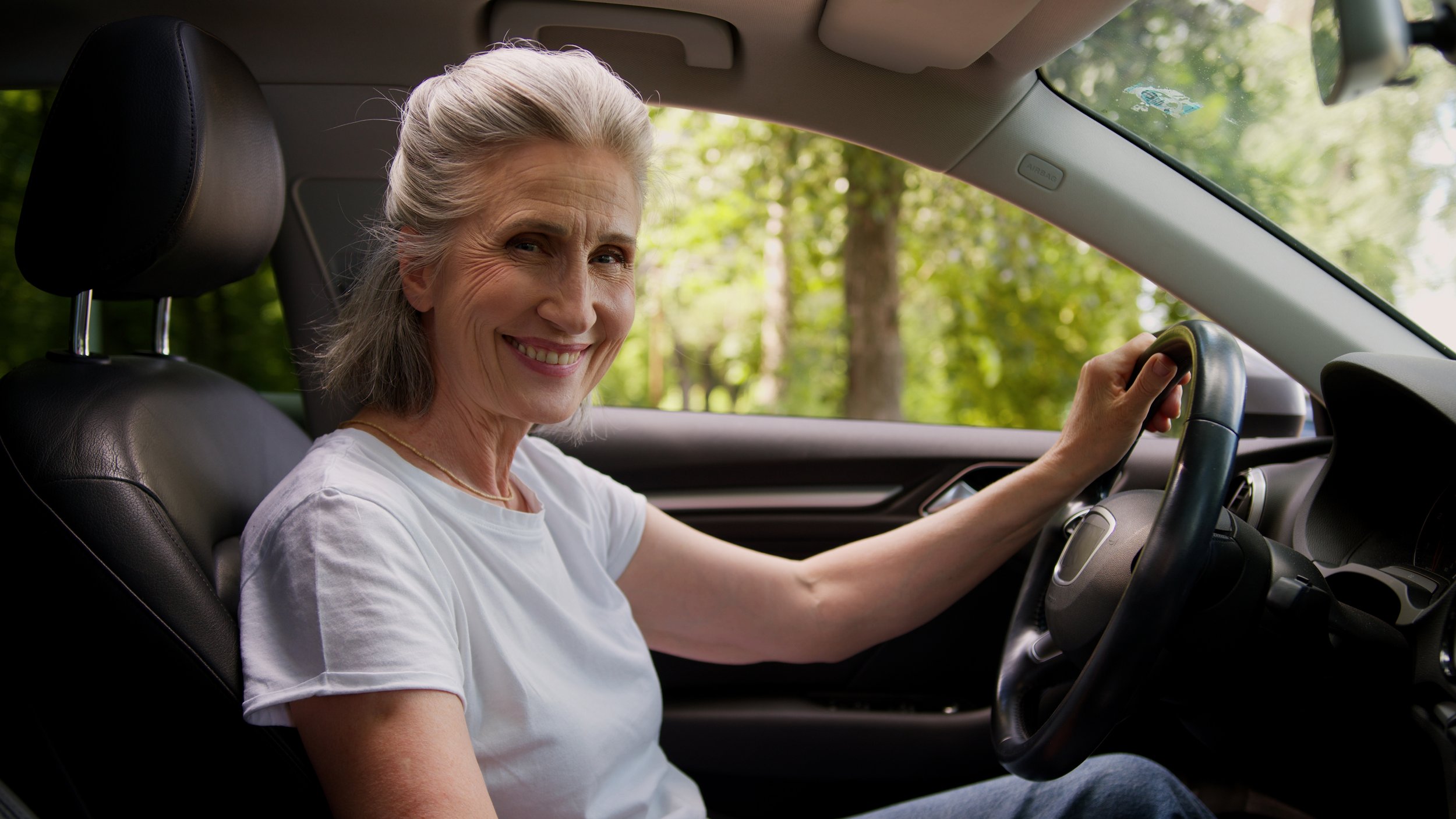
How soon can you drive after cataract surgery is one of the most common questions for patients in Brisbane, Logan and Springwood. At Springwood Cataract and Eye Clinic, Dr Ron Binetter has more than 25 years of experience and has performed over 22,000 cataract and lens implant procedures for patients across South Brisbane.
After cataract surgery, you need someone to pick you up because you will have had sedation and your vision may be hazy or bright, so it is not safe or legal to drive yourself home. Many people feel ready to return to regular daily tasks within a couple of days. Still, moving after cataract surgery Australia-wide is only safe once your specialist confirms that your eyes meet the legal driving standard and you feel comfortable.
What Happens To Your Vision Right After Surgery
Straight after cataract surgery, your eye is healing, and it is normal for vision to be hazy or cloudy for a short time as the cornea settles and the new lens clears. Many people also notice brightness, glare, and light sensitivity, which can make judging distance and speed harder on local roads and motorways for a short while.
Sedation medicine can leave you sleepy or unsteady for the rest of the day, which is another reason you cannot safely drive yourself home after cataract surgery. Even if you feel “ok”, your reaction time and vision are not secure enough for traffic, so you must arrange a family member or friend to drive you home and to your first follow-up visit.
When Can You Drive Again?
When asking how soon you can drive after cataract surgery, the first rule is simple: you must not drive on the day of your procedure, and you need someone to bring you to and from the clinic. Many Australian cataract clinics suggest waiting at least 24 to 48 hours before even thinking about getting back behind the wheel, and only after your surgeon has checked your eye and is happy with your recovery.
Some people need more time before driving after cataract surgery, especially if:
Vision is still blurry or foggy
There is intense glare or halos around lights
Only one eye has been treated, and depth perception feels “off”
There are other eye problems,s such as macular degeneration or glaucoma, that affect sight
Your cataract surgeon will look at key points before confirming when you can drive after cataract surgery safely:
How well the operated eye has healed
Whether one or both eyes have had cataract surgery
How stable and precise the distance vision is
Whether other eye conditions affect your driving vision
Positive Signs That You Are Closer To Driving
These signs mean you may be getting closer to driving after cataract surgery, but you still need your surgeon’s approval:
You can read street signs and licence plates comfortably with both eyes open
Nighttime glare and halos are mild or have settled
You feel steady with depth perception when walking on stairs and uneven ground
You feel confident spotting cars, cyclists and pedestrians in your side vision
Your eye specialist at Springwood Cataract and Eye Clinic will explain clearly how soon you can drive after cataract surgery based on your own eyesight and healing, not someone else’s timing.
Legal And Safety Points In Queensland
In Australia, you must meet visual standards to hold a driver's licence, and conditions such as cataracts are considered in fitness-to-drive assessments conducted by licensing bodies. Current guidance says private drivers need visual acuity of around 6/12 or better in the better eye and an adequate visual field to drive without licence restrictions.
After cataract surgery, your doctor or eye specialist may need to confirm that your eyesight now meets the standard for safe driving, and licence conditions can be updated if you need glasses or no longer need them. Patients should never drive until they:
Meet the legal vision requirements for a Queensland driver's licence
Feel safe and confident in their own judgement
Have been clearly told by their cataract surgeon that they can drive again
Driving before it is safe can put you, your passengers, and other road users at risk on busy roads, and may also have legal and insurance consequences. Your cataract surgeon at Springwood Eye Clinic can explain how the rules apply to you so you know exactly where you stand without needing to read technical documents.
Practical Tips For Planning Around Driving
Planning can make cataract surgery recovery Brisbane-wide feel calmer and take the pressure off getting around without driving.
Before Your Cataract Surgery
Arrange a family member, friend or carer to drive you to and from the hospital or day surgery in Springwood or greater Brisbane.
Ask someone to bring you to your first follow-up appointment
Organise shopping and meals, so you have food at home for the first couple of days
Make sure any regular medicines and eye drops are ready
Keep eye drops and tissues in an easy-to-reach spot at home
First Few Days After Surgery
For the first few days, driving after cataract surgery in Australia, guidance is clear: avoid driving and follow your surgeon’s instructions closely. During this time:
Avoid driving, heavy lifting and dusty or dirty environments
Wear sunglasses outdoors to cut glare on bright days
Use your prescribed eye drops as directed
Avoid rubbing your eye, even if it feels itchy
If only one eye has had surgery, be extra careful with steps and uneven ground until balance and depth perception feel steady.
When You Are Cleared To Drive
Once your surgeon has said it is safe and your vision meets the driving standard, ease back into driving slowly. Many patients find these steps helpful:
Start with short daytime trips on familiar local roads close to home
Choose quieter times of day rather than peak hour on Motorways and Highways
Leave more space from oncoming headlights if glare is still a problem
Wait longer before long trips or night driving if the lights remain uncomfortable
Keep sunglasses handy in the car for bright sunshine and reflections
This gentle return helps you feel confident as you get back to everyday driving after cataract surgery, Brisbane-wide.
FAQs: How Soon Can You Drive After Cataract Surgery
Can I drive myself home after cataract surgery?
No, you cannot drive yourself home after cataract surgery because sedation and blurred vision mean you are not safe or legally fit to drive that day. You must arrange for someone you trust to pick you up from Springwood Cataract and Eye Clinic and take you home.
How many days until I can drive again?
Many people can talk about how soon they can drive after cataract surgery on their first day after check, and are often ready within 24 to 48 hours if the eye has healed well and vision is clear. Others may need several more days, especially if they still have glare, blur or trouble judging distance.
What if only one eye has had surgery?
When only one eye has been treated, depth perception can feel unusual because the two eyes are focusing differently. Your cataract surgeon may suggest waiting until both eyes are done before driving or being very cautious when first going back on the road.
Do I need new glasses before driving again?
Some patients see well enough to meet the driving standard without glasses after cataract surgery, while others need a new glasses prescription once the eye has fully settled. Your surgeon or optometrist will tell you when to update your glasses and whether your licence should say that you must drive with glasses.
What if my vision still feels “off” even after my surgeon says I can drive?
Even when your vision meets the legal standard, it is still important that you feel personally confident driving. If things still feel “off,” speak to your cataract surgeon about your concerns before you start longer trips or night driving.
Why Choose Springwood Cataract And Eye Clinic
Springwood Cataract and Eye Clinic is led by Dr Ron Binetter, one of Australia’s most experienced cataract surgeons, with more than 25 years in practice and over 22,000 cataract and lens implant procedures performed for patients from Springwood, Logan and the greater Brisbane area. Patients value his calm manner, focus on comfort, and clear explanations at every stage of cataract surgery recovery across Brisbane.
The clinic offers fast access, with appointments usually available within one week and cataract surgery often booked within about four weeks when needed. Care includes clear advice on when you can drive after cataract surgery, how soon you can drive safely after cataract surgery, and help with any paperwork linked to your Queensland driver's licence, with reduced fees for pensioners and uninsured patients.
If you live in Springwood, Logan or greater Brisbane and are worried about how soon you can drive after cataract surgery, book a consultation with Dr Ron Binetter at Springwood Cataract and Eye Clinic to talk through your options and feel clear about driving after cataract surgery, Australia-wide guidelines.